
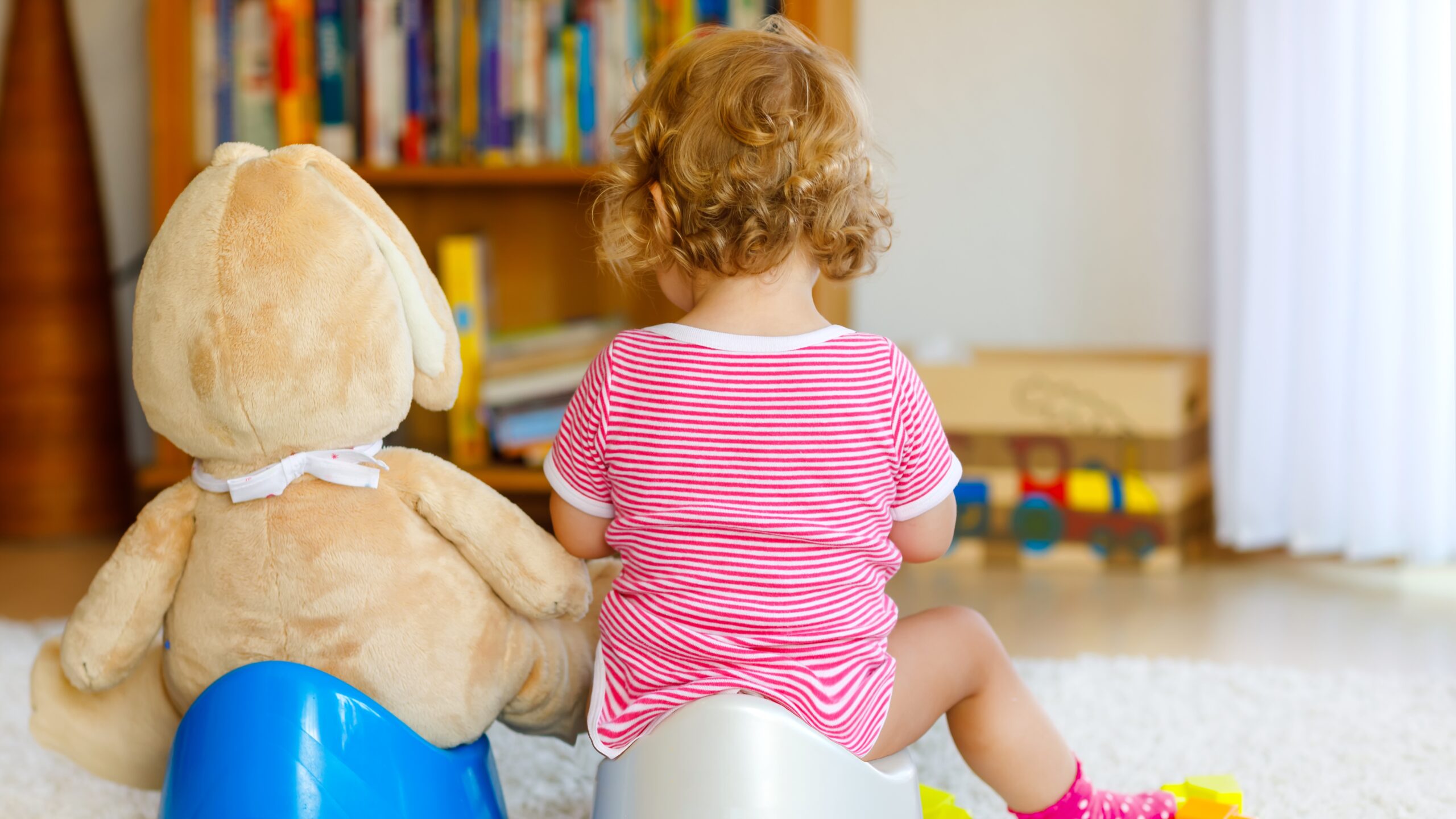
If your toddler always seems to save their poop for nap time — right after you’ve tucked them in and finally exhaled — you’re definitely not alone. Many parents of 2-year-olds find themselves facing the dreaded “nap time poop,” and it can turn an otherwise peaceful rest into a full-blown diaper change (or potty trip) and reset. The good news? With a few simple shifts in routine, you can help your toddler’s body adjust to a new schedule — one that doesn’t interrupt precious nap time. Here’s how to gently (and successfully) move your little one’s poop time earlier in the day.
Why Toddlers Poop at Nap Time
It might feel like your toddler is doing it on purpose (especially when it happens every single day), but it’s usually just timing and physiology. Toddlers’ digestive systems are predictable — eating triggers movement in the intestines, known as the gastrocolic reflex. That means a big lunch or snack before nap can easily lead to a poop right after they lie down.
Add in the calm and stillness of nap time, and their body suddenly has a chance to “relax enough to go.” The result? A perfectly timed nap-time poop.
The trick is to use that same natural rhythm to your advantage — by adjusting meals, playtime, and potty opportunities just a little earlier. With consistency, your child’s body can learn a new, more convenient routine.
How to Shift Your Toddler’s Poop Schedule Away from Nap Time
You can’t force your toddler to poop on command, but you can gently guide their body toward a more predictable rhythm. Here’s how to make it happen — without stress (or extra laundry).
Here’s a step-by-step guide using a gentle approach to help shift your 2-year-old’s poop schedule so it happens before nap time instead of during it.
- Figure out the current pattern
Track when your child usually poops for 3–4 days — note the time, meal before, and activity around it. Chances are, if you’re reading this blog post, you are already well aware of your toddler’s inconvenient poop schedule.
Most toddlers’ bowel movements are linked to eating (especially breakfast), hydration, and movement.
- Use meal timing to your advantage
Pooping often happens 15–45 minutes after eating — that’s the “gastrocolic reflex.”
You can use this to your benefit:
- Offer breakfast or lunch a little earlier to trigger a poop before nap.
- If your child usually poops during nap (say, 1 p.m.), try serving lunch earlier, around 11–11:30 a.m., to prompt a bowel movement before nap.
- Avoid offering a big meal or snack immediately before nap. This can delay the urge until it’s time to rest.
- Encourage some active play soon after eating, which helps get things moving.
- Introduce a regular “potty time”
Right after breakfast or lunch, make it routine to “sit and try.”
- Keep it light — read a short book or sing a song.
- Even if nothing happens, consistency helps train the body clock.
- Praise any effort or success (“You tried! Great job listening to your body!”).
- Hydration and fiber help timing, too
Make sure your toddler drinks enough water and eats fiber-rich foods earlier in the day (fruits, oatmeal, veggies).
Avoid high-fiber snacks and extra water right before nap — those can trigger a bowel movement when you least want one.
- Shift gradually
If your child currently poops right at 1:00 p.m. nap time, aim to move it earlier in 15–30 minute increments every few days by adjusting meals and potty attempts.
Be patient — it can take a week or two for their digestive rhythm to reset.
- Keep naps relaxed
If poop still happens at nap time, stay calm and consistent. Change, reset, and try again next nap. Over time, the body will start to anticipate the new pattern if the routine stays predictable. It might take a week or two to fully reset your toddler’s poop clock. Stick with the routine, and celebrate small wins — even if they just try before nap. The more predictable the schedule, the sooner nap time becomes peaceful again.