
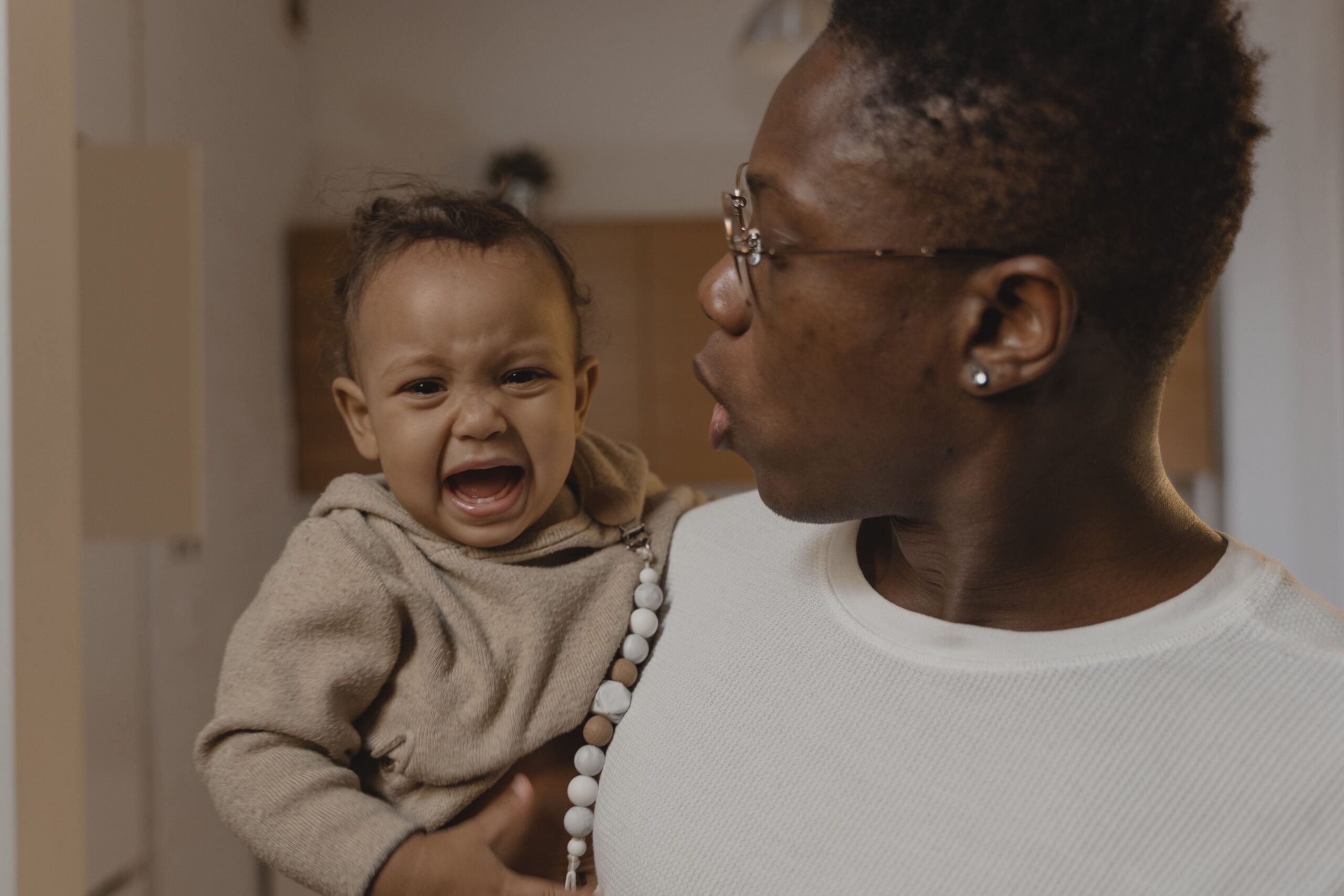
A False Binary
Online, sleep training is often framed as a choice between two extremes: “cry it out,” presented as harsh and fast, or “gentle sleep training,” presented as slow but kind. In reality, this framing does families a disservice. There is a full spectrum of evidence-based methods between these two poles, and the right choice for your family depends on your baby’s individual temperament and your own comfort level, not which camp shouts loudest online.
What Cry It Out Actually Means
True “cry it out,” more accurately called extinction, involves putting a baby down and not returning until a set time (like morning). It is one legitimate, evidence-based method among several, but it is far less common in modern sleep coaching than its reputation suggests, and it is rarely the first method we recommend.
The Methods in Between
Pick Up Put Down involves picking a baby up when they are highly upset and putting them back down once calm, repeated as needed, and tends to suit younger babies or families who want frequent physical reassurance built into the process. The Chair Method has a parent sitting in the room, gradually moving farther from the crib over successive nights, offering a slower, presence-based transition. Gradual fading or check-in methods involve brief, timed parental check-ins at increasing intervals, giving structured reassurance without full intervention. Each of these has research support, and each suits different baby temperaments and different parent comfort levels.
What the Research Actually Says About Safety
This is worth addressing directly, because it is the biggest source of parental guilt in this whole conversation. A 2012 study published in Pediatrics followed children for five years after a behavioral sleep intervention and found no differences in attachment security or emotional health compared to children who were not sleep trained. A 2016 randomized controlled trial found similar results, along with declining cortisol levels as babies learned to settle. The study most often cited to argue that sleep training causes harm, a 2012 cortisol study by Middlemiss and colleagues, has been widely scrutinized for its methodology: it included no control group, a very small sample, and cortisol data collected on only two of the three study nights. That study was never designed to assess long-term safety, and it should not be read as proof that sleep training causes harm. Taken together, the best available evidence does not support the idea that evidence-based sleep training damages attachment.
Why the Right Method Depends on Your Specific Baby
Some babies protest change intensely regardless of method, and need a family that can stay steady through a hard few nights. Others adapt quickly to almost any consistent approach. Your own capacity matters just as much: a method that requires you to sit in the room may be soothing for one parent and agonizing for another, in which case it is far more likely to be abandoned halfway through, which helps no one. There is no universally correct method, only the one your specific family can carry out with consistency.
Why Consistency Matters More Than Method
Across thousands of client families, the single biggest predictor of success is not which method a family chooses. It is whether they can apply that method consistently, night after night, without switching approaches mid-stream out of second-guessing. A gentler method applied inconsistently often takes longer and causes more prolonged distress than a firmer method applied with total consistency.
Addressing Common Guilt and Concerns
If you are worried that any amount of crying during sleep training means you are doing something wrong, please hear this: babies communicate through crying, and a certain amount of protest during any transition, sleep-related or otherwise, is a normal part of learning something new. It is not the same as distress with no plan and no response. Evidence-based sleep training includes a thoughtful structure, a chosen level of parental involvement, and an endpoint, which is a very different experience for both baby and parent than crying with no plan attached.
Choosing What’s Right for Your Family
The right method is the one you can realistically execute without abandoning it after a hard night. This is a deeply personal decision, and there is no single correct answer that applies to every baby or every parent. Inside Sleep Steps, we walk you through the full range of options, judgment-free, so you can make an informed choice rooted in your own family’s values, not internet pressure in either direction.